

PRE-CHARTER INSPECTION
A pre-charter inspection provides an independent assessment of a vessel’s suitability before a charterer commits to fixing her. It examines the ship’s condition, her cargo-worthiness for the intended trade, and the standard of her management and operational systems giving the prospective charterer a clear, impartial picture of the risk they are about to take on. Whether for a bulk carrier, general cargo ship, or other vessel, the inspection helps charterers, operators, and traders avoid the commercial and safety consequences of fixing a substandard ship.
- Vessel condition & cargo worthiness assessed for intended trade
- Management systems, certificates & records reviewed
- Suitability & risk documented with photographic evidence
OUR METHOD
Each inspection assesses the vessel across the factors that determine whether she is fit for the charter in prospect.
Structural & Physical Condition
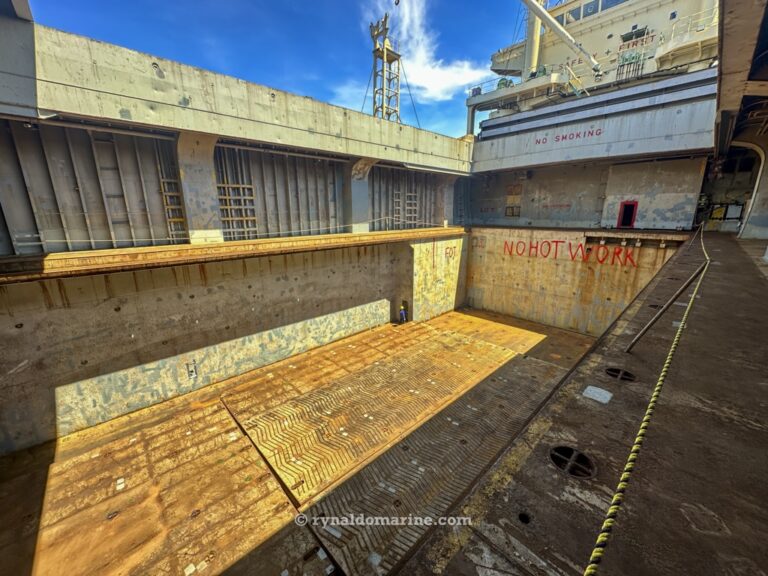
The hull, cargo spaces, hatch covers, deck equipment, and machinery are assessed for their apparent condition, maintenance standard, and any wastage, damage, or deficiency that could affect the vessel’s performance under charter. The focus is on the ship’s real, present state. The condition that will determine reliability once she is committed.

Cargo Worthiness for the Intended Trade
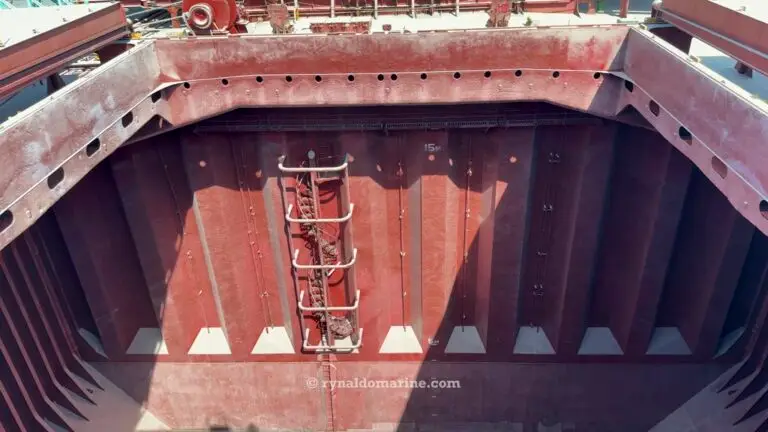
The vessel is assessed for her suitability to carry the intended cargo, hold cleanliness and readiness, hatch cover weathertightness, gear and equipment condition, and any characteristic that bears on the specific trade in view. A ship sound in general terms may still be unsuited to a particular cargo, and it is that fit which the inspection tests.
Management Systems & Documentation
The vessel’s certificates, class and statutory status, and safety management and maintenance records are reviewed to gauge the standard of operation behind the steel. Consistency between documented systems and actual practice is assessed, as the quality of a vessel’s management is often the clearest indicator of how she will perform through the charter.

Suitability Assessment & Reporting
Findings are consolidated into a clear, structured report setting out the vessel’s condition, cargo worthiness, and any risk relevant to the proposed charter, supported by photographic evidence. The report distinguishes what was directly observed from what was reviewed in records, and states any limitation of access at the time of attendance giving the charterer a fair and defensible basis for their fixing decision.
