
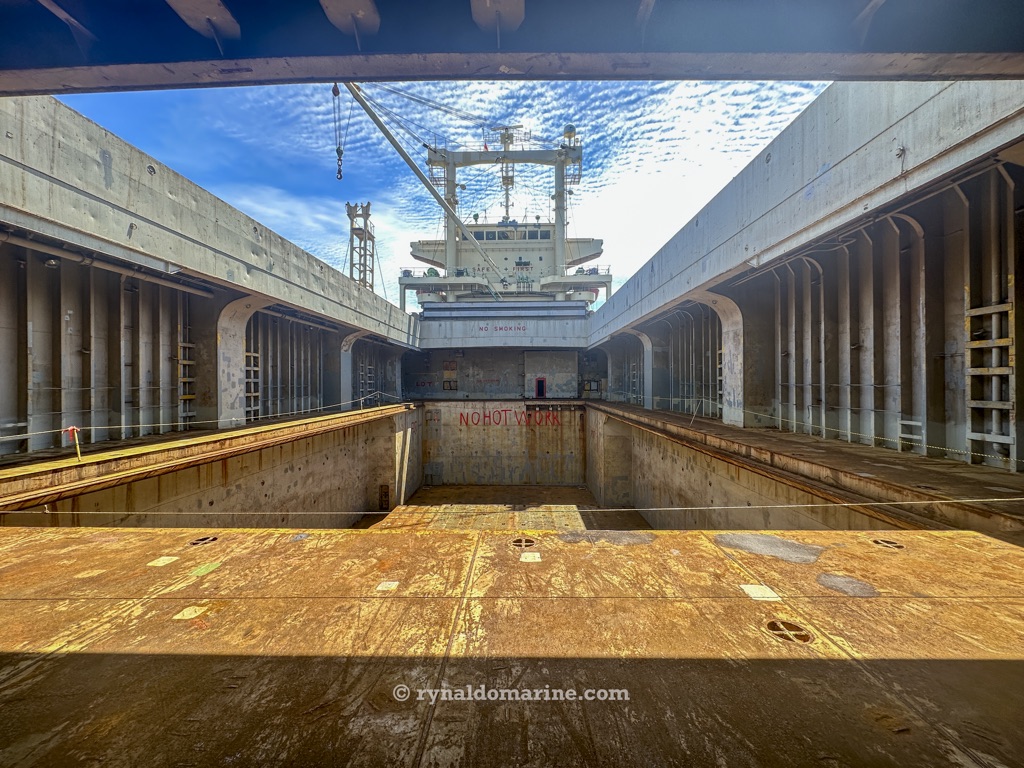
HOLD INSPECTION
A hold inspection establishes whether a vessel’s cargo spaces are clean, dry, secure, and fit to receive the intended cargo. Covering the hold structure, tank top, bilge arrangements, and the weathertight integrity of the hatch covers, the inspection confirms that the space presents no risk of contamination, taint, or water ingress before cargo is committed. For moisture sensitive, food grade, and clean cargoes in particular, the condition of the hold at loading is often the single factor that determines whether the cargo arrives sound and an independent record of that condition protects every party to the carriage.
- Hold cleanliness, dryness & previous cargo residue assessed
- Bilge wells, strums & drainage arrangements verified
- Hatch cover weathertight integrity confirmed by chalk or ultrasonic test
OUR METHOD
Each hold inspection follows a structured examination of the cargo space and its closing arrangements, checking every element that stands between the cargo and the sea.
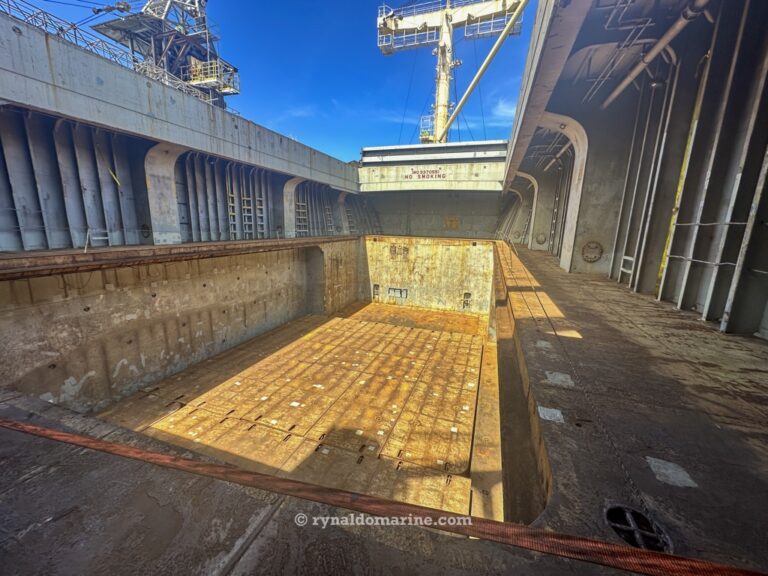
Hold Cleanliness & Structural Condition
The cargo space is assessed against the standard demanded by the intended cargo from grab clean through to hospital-clean or grain clean – examining the tank top, hopper plating, side frames, and bulkheads for cargo residue, loose scale, rust, infestation, odour, and previous-cargo staining. Coating condition and any wastage, buckling, or deformation of internal structure are recorded, along with the condition of the hold ceiling and any fittings, so that both the cleanliness and the structural fitness of the space are established before loading.
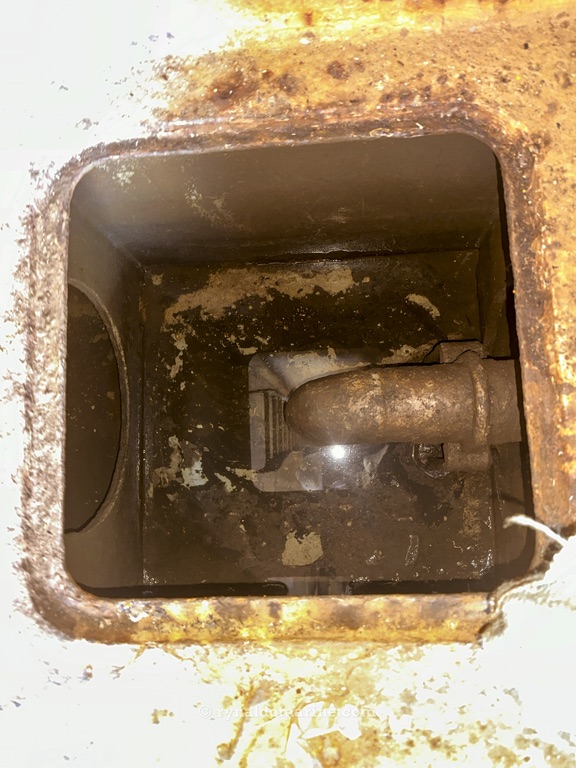
Bilge Wells, Drainage & Water Detection
The bilge arrangements are examined in detail, as they are the space’s last defence against accumulated water. Bilge wells are checked clean and dry, with strum boxes (bilge suction strainers), rose boxes, and non-return arrangements verified clear and functional, and bilge covers and burlap or other protective coverings confirmed correctly fitted to prevent cargo ingress while permitting drainage. The integrity of the sounding pipes and any fixed water-ingress detection is confirmed, ensuring that any water reaching the bilges during the voyage can drain, be detected, and be pumped without reaching the cargo.
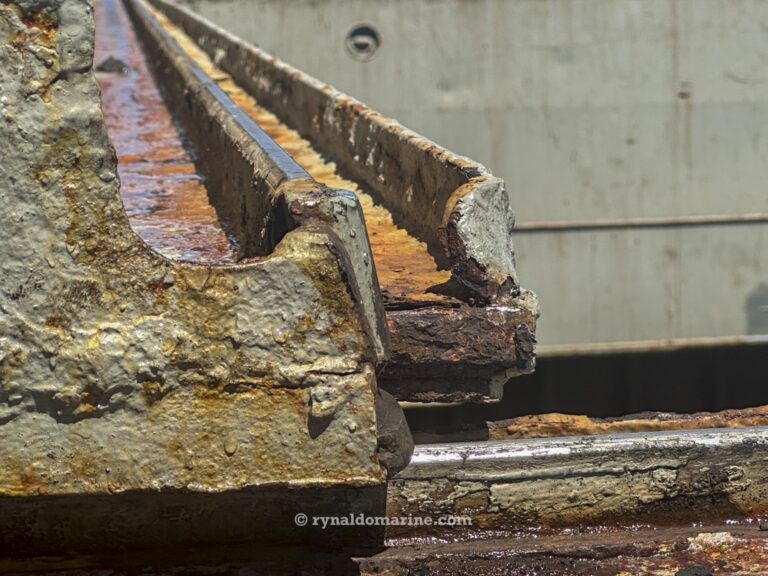
Hatch Cover Sealing & Weathertight Integrity
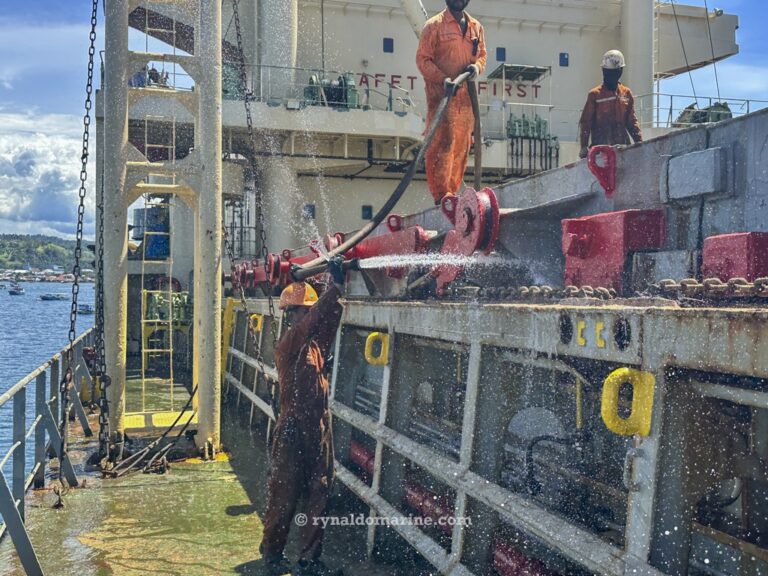
The hatch covers are examined as the primary barrier against boarding seas. The peripheral and cross-joint gaskets (rubber packing) are assessed for hardening, cracking, permanent set, and adequate lip contact against the compression bar, and the compression bars themselves checked for straightness, corrosion, and a smooth sealing surface. The double drainage channels, drain holes, and coaming drain non-return valves are confirmed clean and functional to prevent water seeping to the hold, and the cleats, wheels, landing pads, and locating devices verified for correct securing load. Where required, weathertightness is confirmed by chalk test for seal contact, or by hose or ultrasonic test where a true weathertight verification is called for.
Coaming, Closing Arrangements & Reporting
The hatch coamings including plating, stiffeners, brackets, and coaming tops are examined for corrosion, cracking, and deformation, and the correct operation and final securing of the covers confirmed. All findings are consolidated into a clear, traceable report, supported by photographic evidence, stating the cleanliness standard applied, the test method used to verify weathertightness, and any limitation of access or condition observed at the time of attendance, so the record stands as a fair and defensible account of the hold’s readiness to load.
