
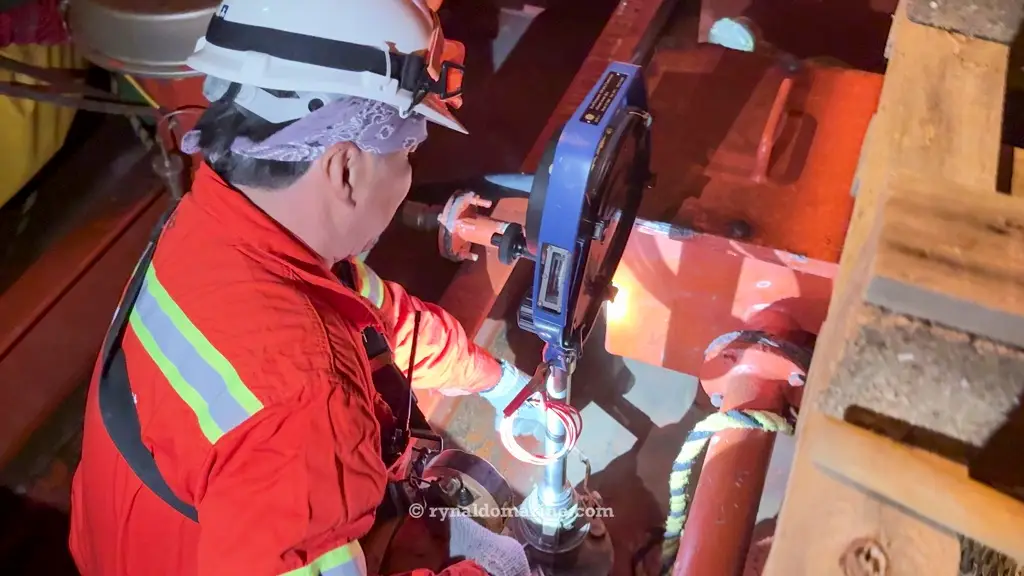
Liquid Cargo Survey / Ullage survey
A liquid cargo survey establishes the quantity and condition of oil, CPO, chemical, and other liquid bulk cargoes through accurate ullage measurement, temperature determination, and calculation to standard conditions. By gauging each tank, applying the vessel’s calibration tables, and correcting observed volumes using the recognised ASTM/IP Petroleum Measurement Tables, the surveyor arrives at a defensible cargo figure. The basis on which liquid bulk is bought, sold, and settled. It protects shippers, receivers, traders, and P&I interests wherever a precise, independent quantity is essential.
- Ullage, temperature & free water measured per tank
- Volumes corrected to standard via VCF & calibration tables
- GOV, GSV, NSV & weight in air determined and reconciled
OUR METHOD
Each survey follows the established measurement sequence, correcting every figure so the final quantity holds up to scrutiny.
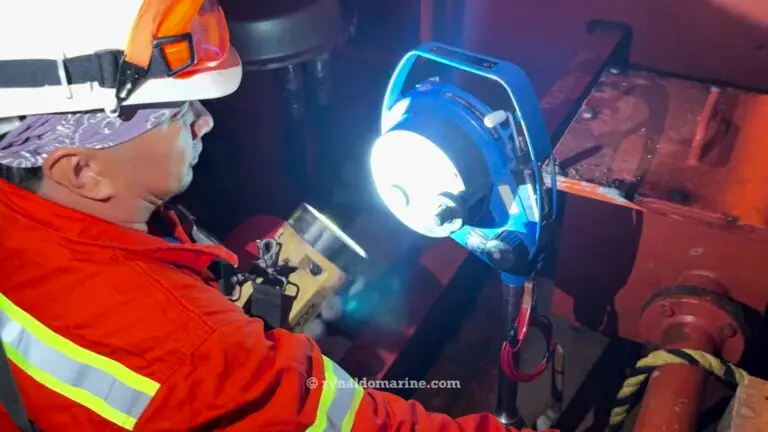
Gauging, Ullage & Temperature
Each tank is gauged by ullage tape or UTI, with the observed ullage corrected for vessel list and trim. Temperature is taken at three levels, top, middle, and bottom – for a true average, and free water measured by water finding paste on the bob.
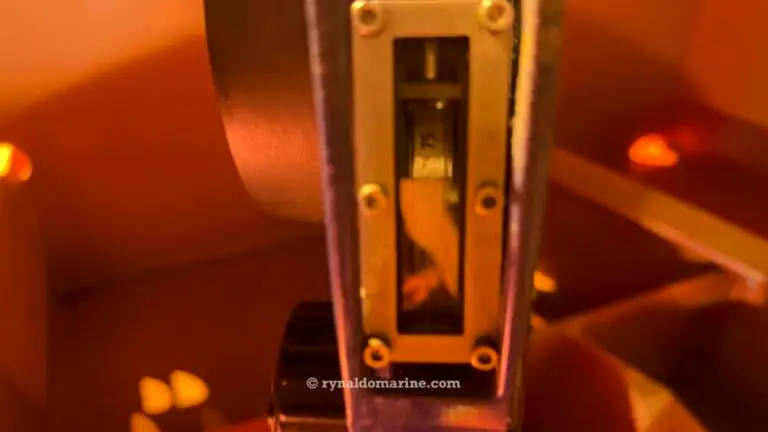
Total & Gross Observed Volume
The corrected ullage is entered into the vessel’s calibration tables to obtain Total Observed Volume (TOV). Free water, read from the interface, is deducted to give Gross Observed Volume (GOV) at observed temperature.
Correction to Standard (VCF)
The Volume Correction Factor is drawn from the appropriate ASTM Table, 54A for crude, 54B for products using density and observed temperature. GOV multiplied by VCF gives Gross Standard Volume (GSV) at 15°C.
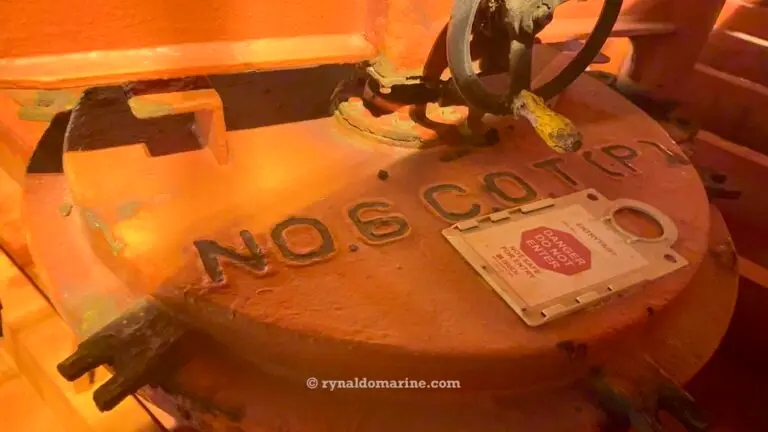
Net Volume, Weight & Reporting
BS&W is deducted from GSV to yield Net Standard Volume (NSV), and weight in air derived via the Weight Correction Factor. OBQ and ROB are recorded by wedge formula where tanks are not fully covered, and all figures documented in a clear, traceable report stating any limitation at the time of attendance.
