
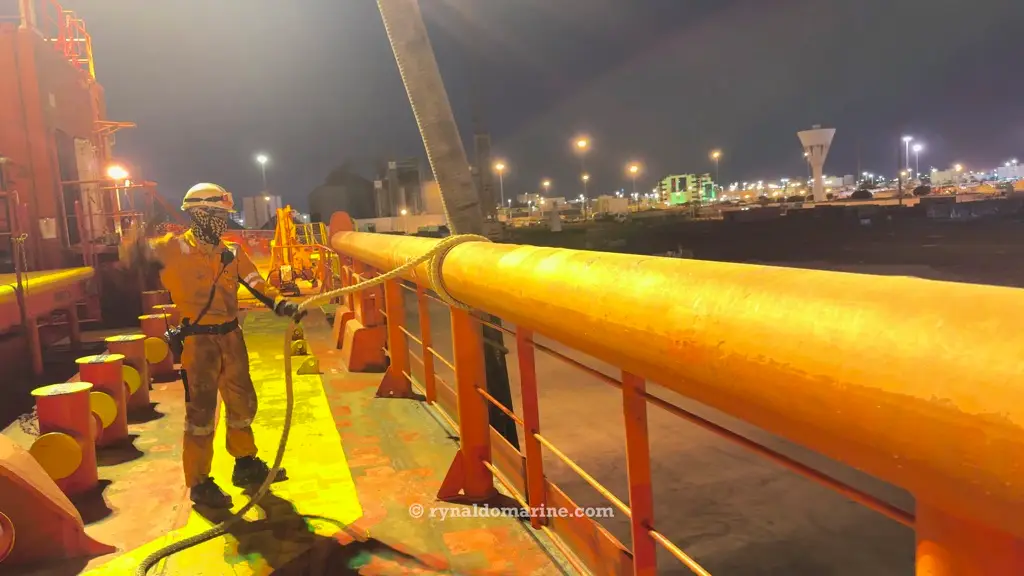
BUNKER SURVEY
A bunker survey determines the quantity of fuel oil on board a vessel before and after bunkering, or at the commencement and completion of a charter establishing an accurate, independent record of what is delivered or remaining. By sounding every fuel tank, correcting for the vessel’s trim and list, and converting observed volumes to weight through density and the ASTM Petroleum Measurement Tables, the surveyor arrives at a defensible figure in metric tonnes. It protects owners, charterers, and bunker buyers wherever fuel quantity carries commercial value or dispute.
- All fuel tanks sounded, corrected for trim & list
- Temperature & density applied via ASTM Tables 54B/56
- Quantity in metric tonnes determined and reconciled
OUR METHOD
Each survey follows a disciplined sequence, accounting for every factor that affects the final fuel figure.
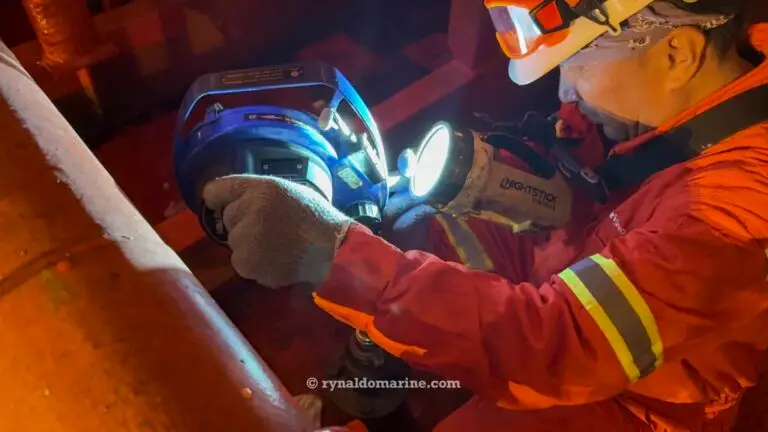
Sounding, Ullage & Corrections
Every bunker tank is sounded or ullaged against its reference height, and the reading corrected for the vessel’s trim and list to derive the corrected sounding. This figure is entered into the vessel’s tank capacity (sounding) table to obtain the observed volume, with interpolation applied between tabulated points.
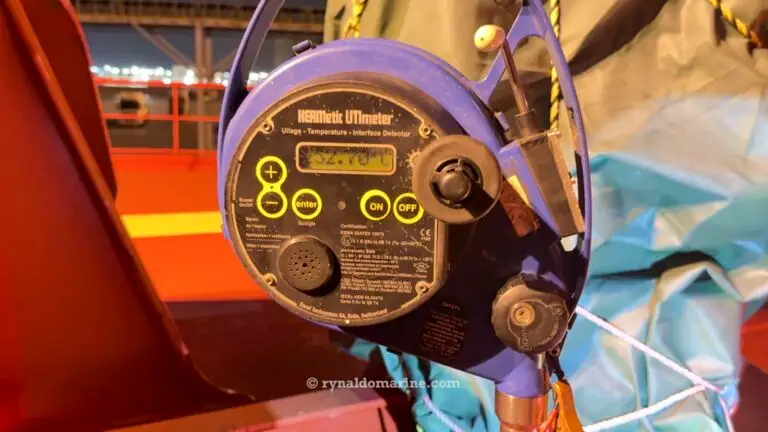
Temperature & Density
Fuel temperature is measured in each tank, as volume changes directly with it. Density at 15°C is taken from the Bunker Delivery Note or by tested sample, providing the arguments needed to correct volume to standard conditions.
Volume & Weight Correction (VCF/WCF)
The Volume Correction Factor is drawn from ASTM Table 54B using density and observed temperature, converting observed volume to standard volume at 15°C. The Weight Correction Factor from Table 56 then converts to weight quantity in MT = Volume × VCF × WCF.
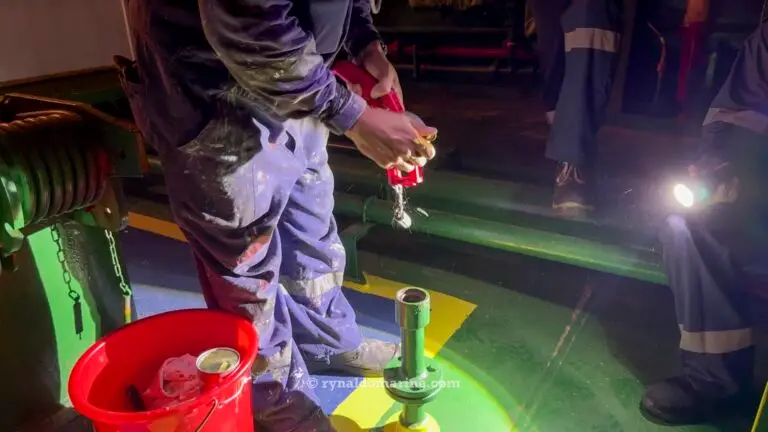
Sampling, Commingling & Reporting
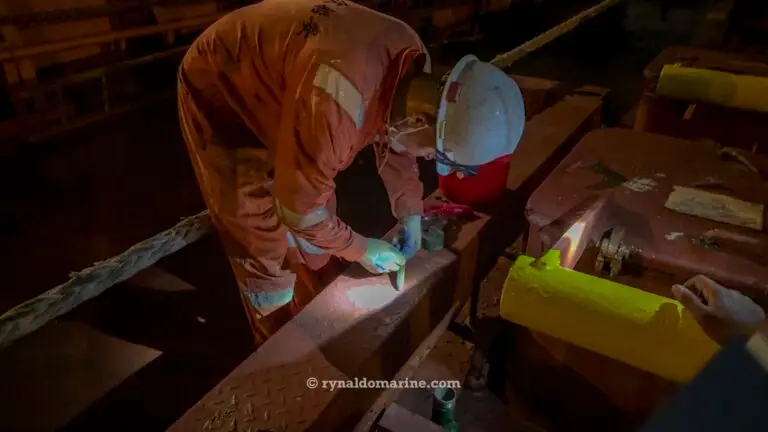
Representative samples are drawn and sealed under numbered seal where required. Where new fuel joins an existing quantity, commingled density is calculated, and particular attention is paid to entrained air the “cappuccino effect” – which can falsely inflate soundings. All figures are documented in a clear report, endorsed by the Chief Engineer, stating any limitation at the time of attendance.
