
ON/OFF-HIRE Inspection
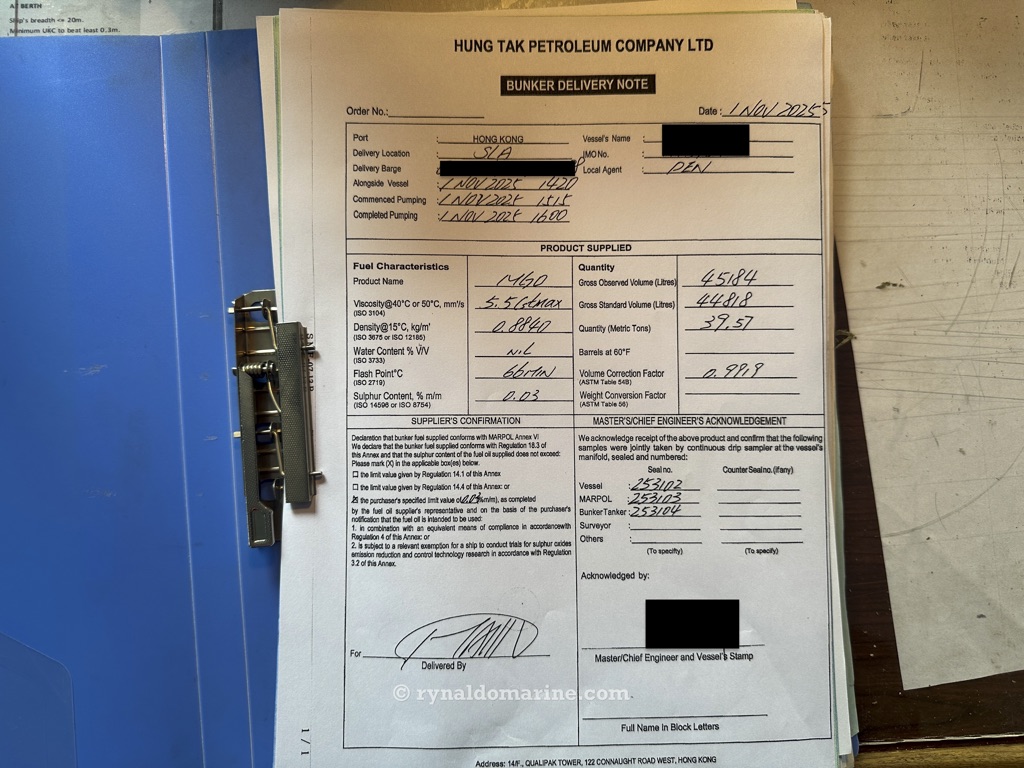
An on/off-hire survey establishes the condition of a vessel and the quantity of bunkers remaining on board at the two defining moments of a time charter delivery (on-hire) and redelivery (off-hire). By recording the vessel’s apparent condition and precisely measuring bunker ROB at each point, the survey fixes an agreed, independent baseline between owner and charterer, determining where responsibility for condition, and the value of fuel, properly rests. It protects both parties wherever the terms of the charter turn on the vessel’s state and her bunkers.
- Vessel condition recorded at delivery & redelivery
- Bunker ROB measured for charter fuel accounting
- Off-hire periods & discrepancies documented with evidence
OUR METHOD
Each survey captures the vessel’s state and fuel at the precise moment hire commences or ends, on both parties’ behalf.

Vessel Condition at Handover
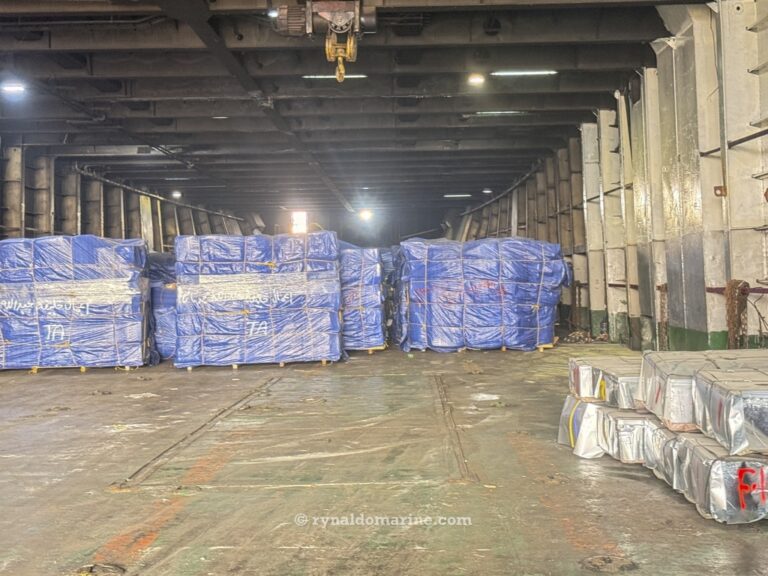
The vessel’s apparent condition is recorded across accessible areas hull, deck, cargo spaces, and machinery spaces noting existing damage, deficiencies, and general standard of upkeep. Photographic evidence establishes the baseline against which condition at the opposite end of the charter will later be compared.
Bunker ROB Determination
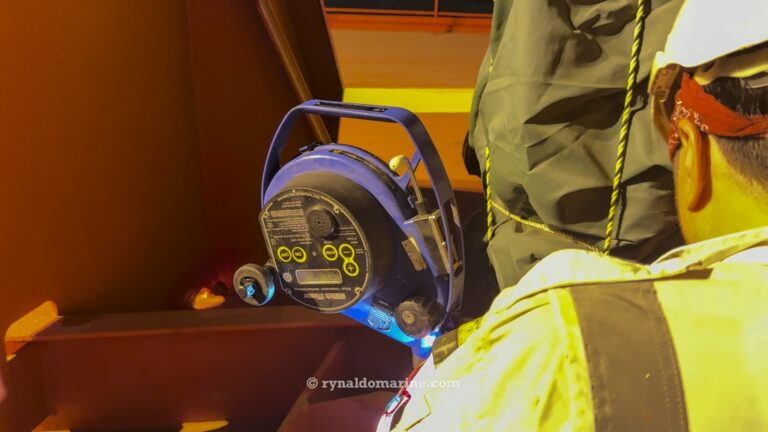
Fuel quantity remaining on board is measured by sounding every bunker tank, corrected for trim and list, and converted to weight via density and the ASTM Tables. This ROB figure is central to the survey, as the charterer purchases bunkers on delivery and the owner on redelivery fuel quantity is money changing hands.

Timing, Statement of Facts & Off-Hire
The exact date and time of delivery or redelivery is recorded, as hire runs from that moment. Where relevant, off-hire events, delays, and interruptions to service are documented against the statement of facts, distinguishing time for which hire is payable from time that is not.
Discrepancies & Reporting
Any discrepancy in condition, bunker figures, or the parties’ declarations is recorded plainly and, where possible, reconciled at the time. All findings are consolidated into a clear, jointly acknowledged report, supported by evidence, stating what was directly observed and any limitation of access at the time of attendance, so the record stands as a fair account for both owner and charterer.
