
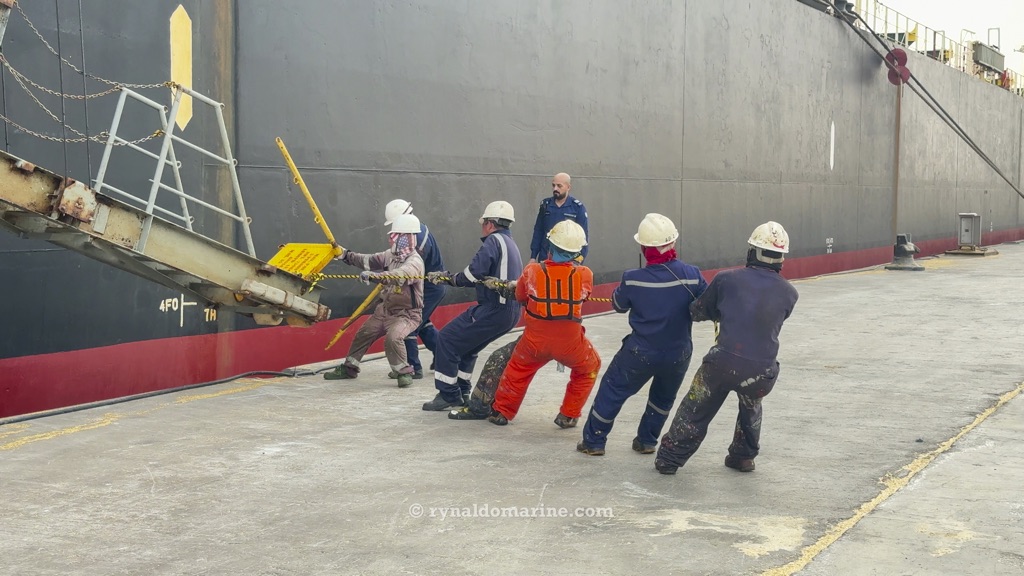
PRE-VETTING INSPECTION
A pre-vetting inspection prepares a vessel for a forthcoming vetting assessment by evaluating her condition, documentation, and operational systems against the standards a real inspector will apply – whether SIRE 2.0 and CDI for tankers, or RightShip for bulk carriers and dry cargo ships. Conducted independently and confidentially on the operator’s behalf, it identifies potential observations across hardware, procedures, and human factors before they appear on a report that charterers and terminals will see. It is not a formal vetting inspection itself, but a rigorous internal readiness assessment that closes gaps in advance and lets operators approach vetting with confidence.
- Assessed against SIRE 2.0, CDI or RightShip standards
- Certificates, records & management systems reviewed
- Potential observations identified with corrective actions
OUR METHOD
Each inspection mirrors the scope of a real vetting, examining the vessel across the three dimensions on which she will be assessed.
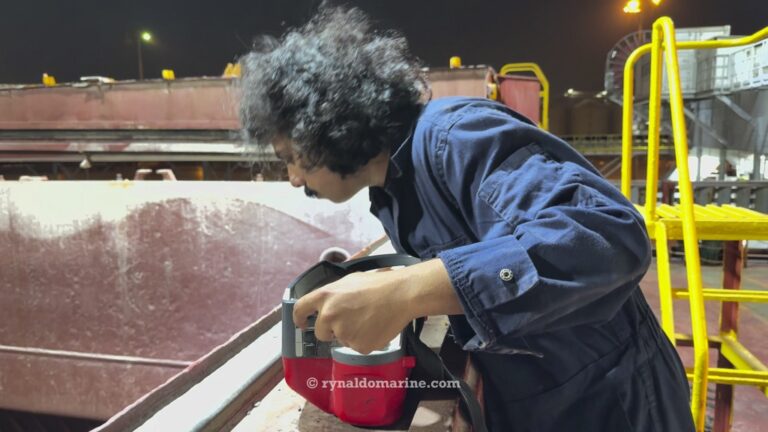
Hardware & Structural Condition
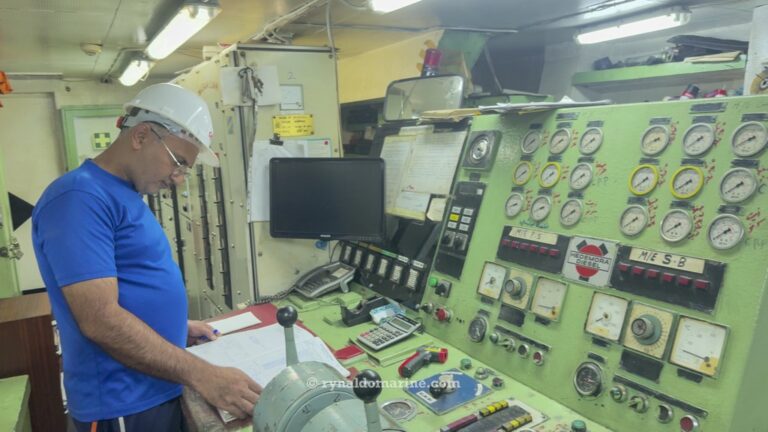
The vessel’s physical condition is assessed across deck, cargo and machinery spaces, mooring arrangements, and safety critical equipment, checking that hardware is maintained, operational, and presentable to inspection standard. For dry cargo ships this extends to hold condition, hatch cover weathertightness, and cargo gear for tankers, to cargo and inert gas systems with any deficiency that would attract a negative observation identified for rectification.
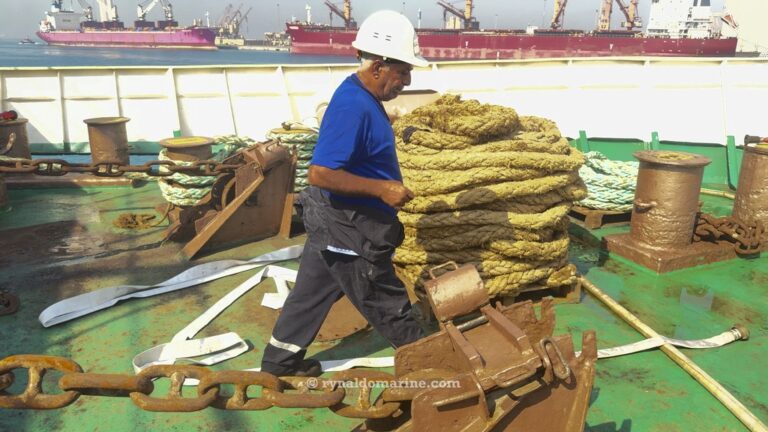
Documentation & Record Verification
Statutory and class certificates, the Oil Record Book or Cargo Record Book as applicable, planned maintenance records, and safety management system documentation are reviewed for accuracy, currency, and consistency. Discrepancies between what is recorded and what is practised a frequent source of observations are highlighted for correction.
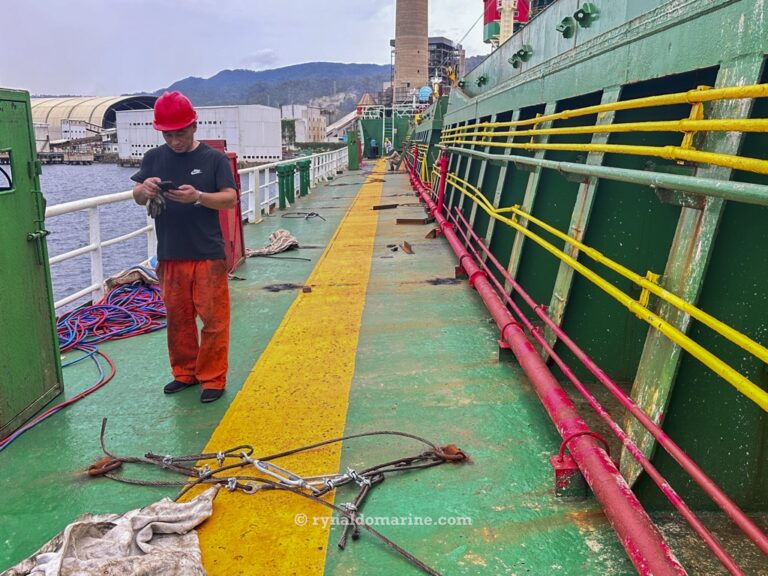
Procedures & Crew Readiness (Human Factors)
Shipboard operations, mooring, cargo handling, navigation, and safety procedures under ISGOTT or the relevant code are assessed as they would be under observation, along with the crew’s ability to demonstrate genuine operational competence rather than rehearsed answers. Areas where performance would fall below expectation are identified against the relevant human factors considerations.
Findings, Corrective Actions & Reporting
All potential observations are consolidated into a clear, confidential report, each linked to a practical corrective action the operator can close before the inspection. The report distinguishes what was directly observed from what was reviewed in records, and states any limitation of access at the time of attendance, giving the operator an honest, actionable picture of readiness, entirely for internal use.
